
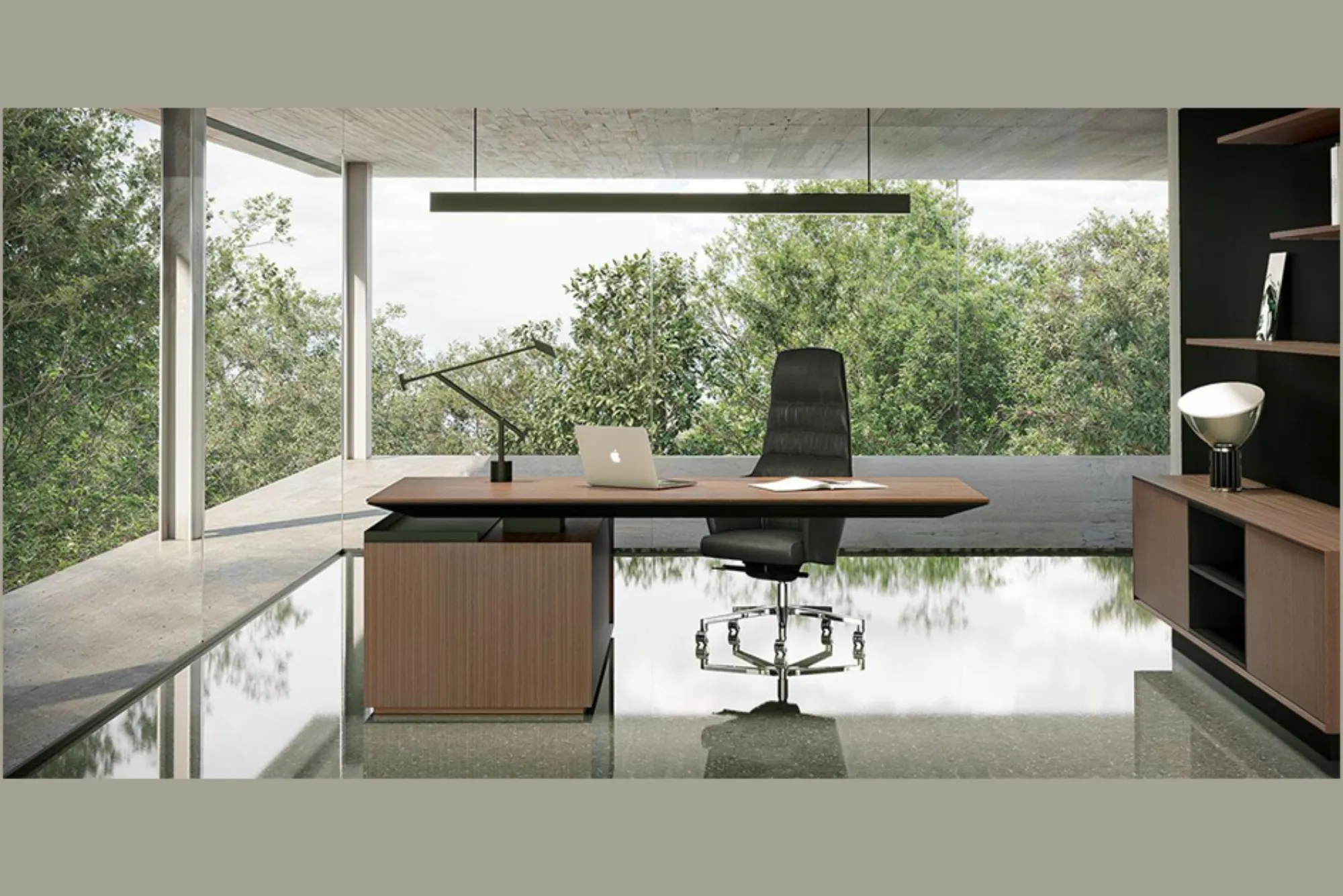
The process to shop office furniture is a strategic undertaking that directly influences your company’s productivity, culture, and professional image. A well-executed plan to shop office furniture ensures that every piece selected contributes to a cohesive, functional, and inspiring work environment. Rushing this process can lead to costly mistakes, from ill-fitting pieces to poor-quality items that require early replacement. To shop office furniture successfully, it is essential to approach the task with a clear understanding of your needs, budget, and the long-term goals for your workspace.
Thoroughly Assessing Your Operational Needs
Before exploring any products, the first step is to conduct a deep analysis of how your office operates. Consider the different types of work performed, the need for collaboration versus focused individual work, and the technological requirements of your team. The furniture must support these daily activities seamlessly. For instance, a creative agency with frequent team huddles will have vastly different needs than a law firm that prioritizes privacy and formal meetings. Creating a detailed list that categorizes needs for workstations, storage, meeting areas, and lounge spaces will provide a crucial roadmap for your purchasing journey.
Key questions to ask during this assessment include:
What is the primary workflow in the office, and how can the furniture layout be designed to minimize disruption and enhance efficiency for all team members?
What specific technology integrations are necessary, such as cable management for desks, power access for collaborative areas, and monitor arms for IT stations?
How much storage is genuinely required for each department, balancing the need for organization with the desire to maintain an open, uncluttered aesthetic?

Establishing a Realistic Budget and Timeline
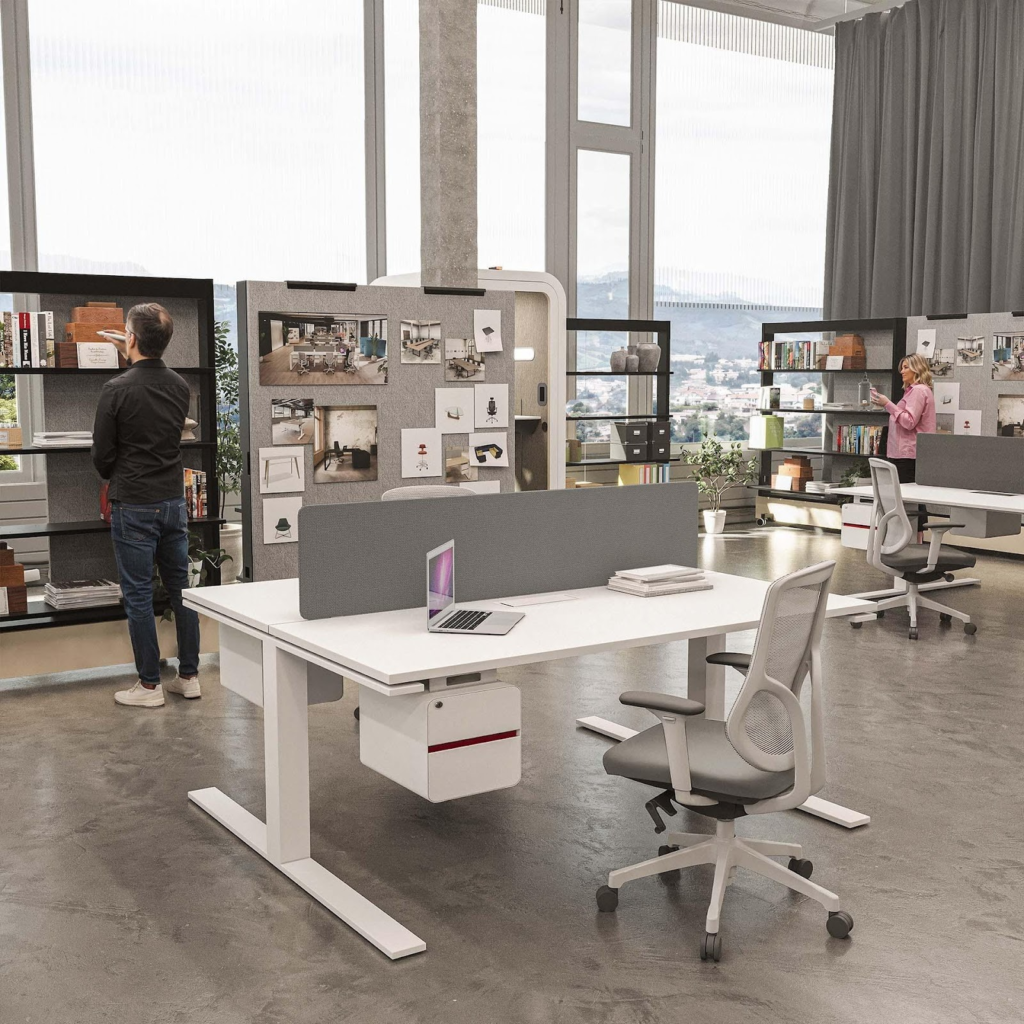
A clearly defined budget is your most important tool when you decide to shop office furniture. It is vital to look beyond the initial price tag and consider the total cost of ownership, which includes delivery, assembly, and potential future repairs. Allocating your funds strategically—perhaps investing more in high-use items like ergonomic chairs while opting for cost-effective solutions for ancillary spaces—can maximize value. Furthermore, establishing a realistic timeline that accounts for lead times, especially for custom pieces, is critical to ensure a smooth transition and avoid business disruption.
When building your budget, consider these financial aspects:
Prioritizing investment in ergonomic features for seating and desks to safeguard employee health and reduce long-term costs associated with absenteeism and decreased productivity.
Inquiring about hidden costs such as delivery fees for upper-floor offices, charges for professional assembly services, and potential removal costs for old furniture.
Planning for a phased purchasing approach if necessary, allowing you to furnish critical areas first while spreading the financial investment over a more manageable period.
Selecting the Right Office Furniture Supplier
The partner you choose is as important as the furniture itself. A reputable supplier acts as a consultant, not just a retailer, offering expertise that can guide your decisions. Look for a supplier with a proven track record, a diverse portfolio of quality products, and transparent customer service. The right office furniture supplier will take the time to understand your business, provide tailored recommendations, and stand behind their products with solid warranties and reliable after-sales support. This partnership is fundamental to transforming your vision into a functional reality.
The hallmarks of a superior office furniture supplier include:
A comprehensive service offering that includes space planning, design consultation, and 3D visualizations to help you see the final result before making a commitment.
Transparency regarding product origins, material quality, and lead times, ensuring there are no surprises during the delivery and installation phases of the project.
Positive testimonials and a strong local reputation for professionalism, which you can verify through case studies or reviews from previous clients.
Evaluating Quality and Long-Term Value
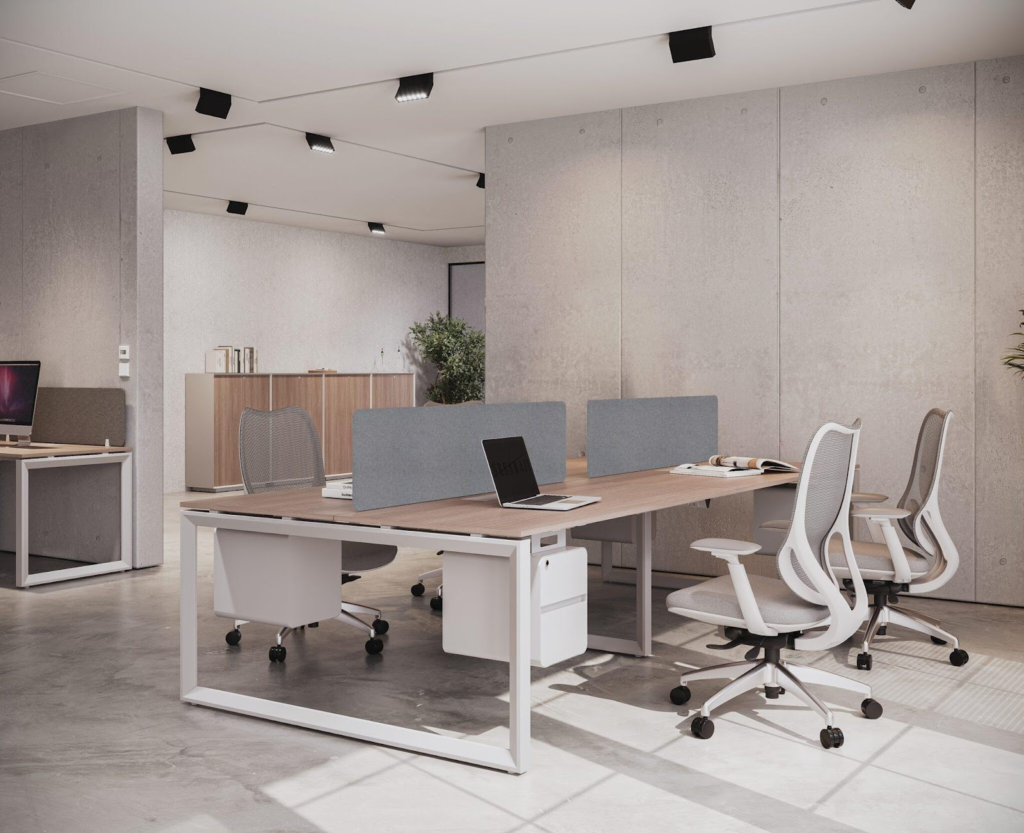
In the world of office furniture, quality is synonymous with durability, safety, and comfort. When you shop for office furniture, it is crucial to evaluate the construction and materials. Examine joints, test mechanisms on chairs and height adjustable desks, and feel the finishes. High-quality pieces are built to withstand the rigors of daily use, ensuring your investment lasts for years. While premium quality often comes with a higher initial cost, it provides far greater value over time by avoiding the frequent replacement cycles associated with cheaper, disposable furniture.
Indicators of high-quality office furniture are:
Robust construction features such as reinforced corners, durable drawer glides that operate smoothly, and stable chair bases that prevent tipping during use.
The use of commercial-grade materials like high-pressure laminates for surfaces, high-resilience foam for seat cushions, and sturdy metal frames for chairs and desks.
Comprehensive warranties that specifically cover mechanical parts, structural frames, and casters, reflecting the manufacturer’s confidence in their product’s longevity.
Conclusion
Knowing how to strategically shop office furniture is a powerful business skill. By meticulously assessing your needs, setting a realistic budget, and, most importantly, partnering with a knowledgeable and reliable office furniture supplier like Urban 411, you can create a workspace that is both highly functional and authentically reflective of your company’s culture. This careful, considered approach ensures that your investment enhances daily operations, boosts employee morale, and makes a strong, positive statement about your brand to everyone who walks through your door.
Related Reading: How To Make a Great Resume
Related Reading: Interview Skills
Related Reading: Hiring