
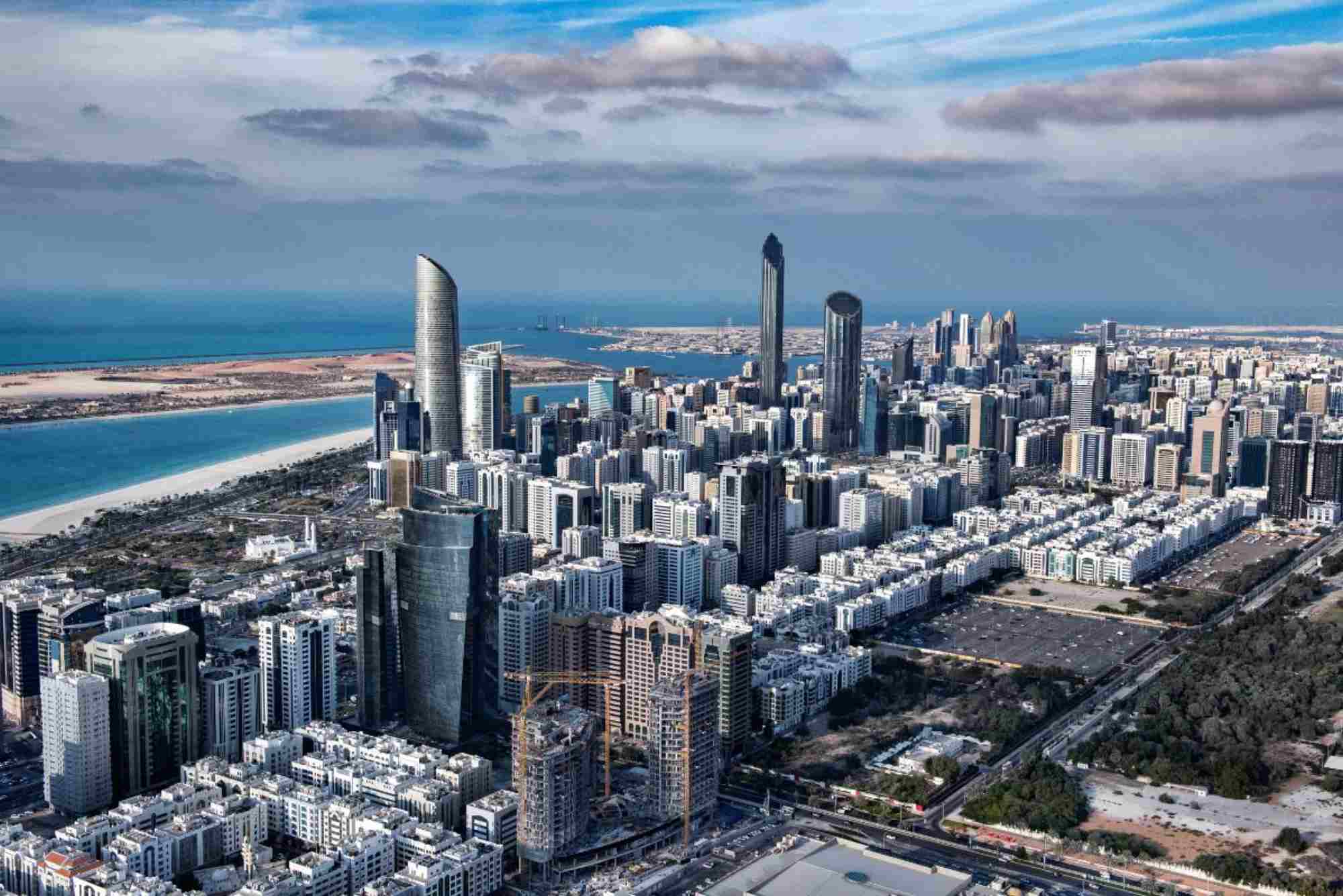
The commercial property market in Abu Dhabi is moving through a period of transformation that is reshaping the investment landscape, the occupier environment, and the competitive positioning of the emirate within the broader Gulf region. Some of these changes are immediately visible in transaction evidence and rental data. Others are structural shifts that are working their way through the market more gradually but whose long-term implications are equally significant for anyone seeking to understand where the best opportunities and the most meaningful risks are concentrated.
For investors, occupiers, and advisers who want to stay ahead of the curve, the trends currently reshaping Abu Dhabi commercial properties are not simply interesting market observations. They are the forces that will determine which assets perform strongly over the coming years and which face growing challenges in a market that is becoming more sophisticated and more demanding with every cycle.
The Sustained Primacy of Grade A Office Demand
The flight to quality that has characterised commercial property markets globally is particularly pronounced in Abu Dhabi, where the internationalisation of the occupier base has introduced a globally informed set of workspace expectations that secondary stock consistently struggles to meet. Occupiers with the financial capacity to access Grade A space are demonstrating an unambiguous preference for buildings that offer advanced technology infrastructure, genuine sustainability credentials, high-quality amenity provision, and the professional environment that attracts and retains the talent these organisations are competing for.
The practical consequence of this sustained preference is a two-speed market in which the best buildings in the best locations maintain strong occupancy and achieve competitive rents while the gap between Grade A performance and the rest of the market continues to widen. For investors, the message is clear and consistent: quality assets in established locations with genuine occupier credentials are the most reliable foundation for long-term portfolio performance, and the premium attached to them reflects a structural reality rather than a cyclical anomaly.
Mixed-Use Development Redefining Commercial Districts
The standalone commercial building, isolated from retail, hospitality, and community activity, is becoming progressively less competitive as occupiers and their employees develop a stronger preference for working environments that are embedded within a broader and more varied urban experience. The most successful new commercial developments in Abu Dhabi are those that integrate office space within mixed-use schemes that offer food and beverage, wellness, retail, and cultural programming within a walkable and activated environment.
This trend is reshaping how developers approach new commercial schemes and how investors assess the long-term competitive positioning of their assets. Buildings that form part of a genuinely mixed-use environment enjoy the benefit of surrounding activity that attracts occupiers, supports employee wellbeing, and creates the kind of place identity that sustains demand across different market conditions. Those that sit in purely commercial environments without the animation of mixed uses face a growing disadvantage as occupier expectations continue to evolve.

The Acceleration of Sustainability Requirements
Environmental performance has moved from a supplementary consideration to a core requirement in Abu Dhabi’s commercial property market at a pace that has surprised some investors and caught others well prepared. International occupiers with corporate sustainability commitments are applying increasingly rigorous criteria to the buildings they occupy, and the supply of space that genuinely meets these criteria remains meaningfully below the level of demand from environmentally motivated occupiers.
Buildings with recognised sustainability certifications are commanding occupier premiums that are now clearly observable in the transaction evidence, and the direction of regulatory travel in Abu Dhabi reinforces the likelihood that these premiums will grow rather than diminish over the coming years. Investors who have positioned their assets ahead of minimum environmental standards are finding that this foresight is being rewarded in occupancy performance and rental achievement. Those whose assets fall short face a narrowing window in which retrofitting remains a financially viable response to rising occupier and regulatory expectations.
Technology Infrastructure as a Non-Negotiable Baseline
The technology expectations of commercial occupiers in Abu Dhabi have risen dramatically and continue to do so, reflecting the digital-first nature of modern business operations and the expectations that internationally mobile professionals bring from their experience in other leading markets. High-capacity connectivity, smart building management systems, advanced access control, and the digital platforms that support flexible working arrangements have all moved from optional upgrades to baseline requirements in buildings that aspire to compete for quality occupiers.
Investors whose assets cannot meet these technology expectations without prohibitive capital expenditure face growing obsolescence risk that will manifest progressively in their ability to attract and retain quality tenants at competitive rents. Those who have invested in adaptable and future-ready technology infrastructure are building a competitive advantage whose value compounds over time as the gap between well-equipped and poorly equipped buildings continues to widen.
Free Zone Evolution and Its Broader Market Influence
The ongoing development and refinement of Abu Dhabi’s free zone ecosystem continues to shape demand patterns across the commercial property market in ways that reward close attention. As free zone operators enhance their service propositions, streamline their administrative processes, and invest in the quality and diversity of their physical environments, they are attracting an increasingly varied range of businesses and creating commercial clusters whose energy and character reinforces their appeal to further occupiers.
The competitive dynamic between different free zones, and between free zone and mainland commercial space, is driving a broader improvement in standards across the entire market that benefits investors and occupiers alike. For investors evaluating where to position their assets within this competitive landscape, understanding the specific regulatory and commercial advantages that different free zone environments offer to their target occupier demographic is an increasingly important dimension of the investment analysis.
Explore comprehensive services and insightful content at Vision.ae, your trusted destination for reliable information and solutions across various industries. Stay updated with the latest trends, expert guidance, and professional resources designed to help you grow. Visit our homepage to learn more about our offerings and stay connected with us for regular updates and valuable insights. Discover a platform built to deliver clarity and trust for every visitor online hub now
Related Reading: Property Investment in UAE – Market Trends, Returns and Long-Term Value