
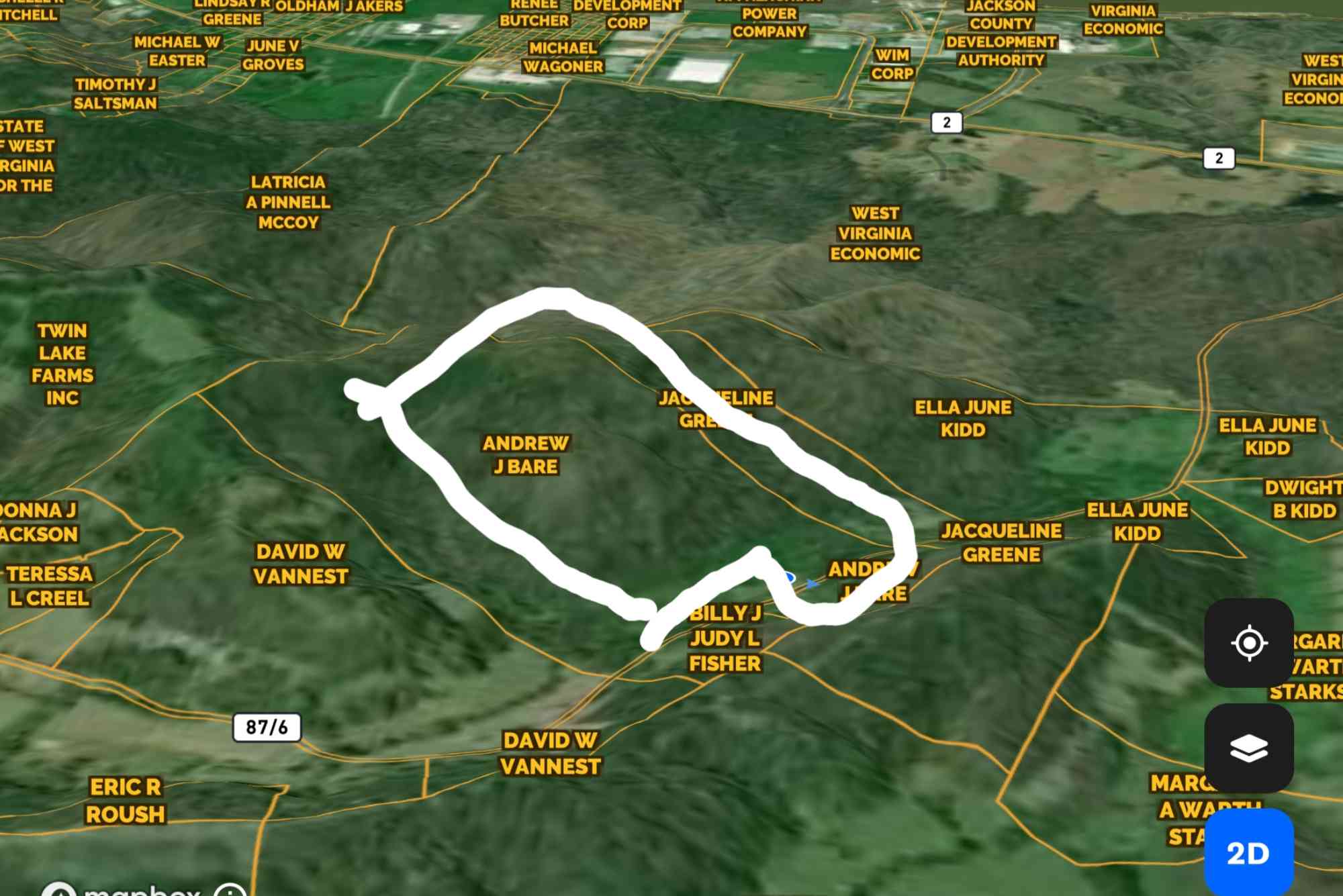
West Virginia is a hunter’s paradise, offering a mix of rugged mountains, dense forests, and diverse wildlife. For those seeking privacy and control over their outdoor experience, finding hunting land for lease in WV is often the perfect solution. Whether you’re a seasoned hunter or planning your first West Virginia hunt, leasing land offers exclusive access, safety, and the chance to manage your own hunting area.
In this guide, we’ll walk you through where and how to find hunting land for lease in WV, what to consider before signing a lease, and the benefits of going private. You’ll also get answers to commonly asked questions and practical tips to help you secure the ideal hunting spot.
Why Lease Hunting Land in West Virginia?
Leasing hunting land offers several advantages over public land use. While West Virginia has excellent public hunting areas, many hunters seek more control over their experience.
Greater Access and Privacy
Leased land is typically exclusive, meaning fewer people are on the property. This reduces competition and improves your chances of success.
Consistent Game Populations
Private landowners often manage wildlife better, leading to healthier populations of deer, turkey, and other game.
Safety and Customization
You can set up permanent blinds, manage food plots, or establish hunting zones that work for your style and needs.

How to Find Hunting Land for Lease in WV
Finding quality hunting land for lease in WV isn’t just about location. It also requires knowing where to look and how to evaluate your options. Here’s how to get started:
Online Land Lease Platforms
Several reputable websites specialize in connecting hunters with landowners. These platforms often include detailed descriptions, photos, and even game records from previous years.
Local Real Estate Agencies
In rural parts of West Virginia, some realtors manage recreational leases. They can provide insights into land use history, topography, and access rights.
County Courthouse and Clerk Records
Some hunters uncover leasing opportunities by researching land ownership records. Directly contacting landowners can lead to long-term agreements with fewer middlemen.
Word of Mouth and Local Networking
In smaller WV communities, locals often know which landowners are open to leases. Join local hunting clubs or attend outdoor expos in West Virginia to build connections.
What to Consider Before Leasing
Before signing a lease, it’s essential to evaluate several factors to ensure the land suits your hunting goals.
Game Species and Habitat
Confirm which animals the land supports—white-tailed deer, black bear, turkey, or small game. Ask about past hunting activity and trail cam footage, if available.
Accessibility
Ensure the land is accessible year-round. Check road conditions, especially during wet seasons or snow.
Lease Terms and Duration
Some leases are short-term (for a season), while others span several years. Clarify whether you have exclusive hunting rights and if other activities (like camping or fishing) are allowed.
Liability and Insurance
Ask whether the lease includes liability protection or if you need separate hunting lease insurance. It’s a smart way to avoid potential legal complications.
Rules and Management
Agree on rules regarding guest hunters, use of ATVs, and improvements like blinds or feeders. Clear expectations help prevent future issues.
Best Regions in WV for Leasing Hunting Land
West Virginia offers excellent hunting zones across the state. While availability may vary, these regions often have strong leasing opportunities:
Eastern Panhandle
Counties like Berkeley, Jefferson, and Hampshire offer rolling terrain and healthy deer populations. These areas are also within a short drive from Washington, D.C., making them convenient for urban hunters.
Southern Coalfields
In Logan, Mingo, and McDowell counties, rugged mountain landscapes provide good cover and large stretches of unspoiled terrain. These regions are known for large bucks and bear activity.
Central Mountains
Randolph, Pocahontas, and Webster counties offer a mix of forest and open space. The Monongahela National Forest borders many private properties here, offering expanded habitat ranges.
Benefits of Leasing Over Public Land
While West Virginia has millions of acres of public hunting land, leasing gives you unique advantages:
- No need to arrive early or stake out a spot
- Less pressure from other hunters
- Ability to improve and manage land
- More predictable outcomes year after year
Leasing also creates a sense of stewardship—you get to care for and build a relationship with the land you hunt.
Frequently Asked Questions (FAQs)
What is the average cost to lease hunting land in WV?
Lease prices vary by location, size, and game availability. On average, expect to pay between $10 to $25 per acre annually.
Can I share my lease with other hunters?
That depends on your agreement. Some leases allow groups, while others are strictly for individual use.
Do I need a separate hunting license if I lease land?
Yes. All hunters in WV must carry a valid state hunting license, even when hunting on leased land.
How big should a hunting lease be for one person?
For deer hunting, 40–80 acres is ideal for one person. For group leases, 100+ acres is typically more suitable.
Are food plots allowed on leased land?
Many landowners allow food plots, but it must be included in your lease agreement. Always discuss improvements beforehand.
Make the Most of Hunting Season
Finding hunting land for lease in WV opens up a new level of freedom and control for serious hunters. From game management to quiet mornings in the woods with no crowds, a private lease transforms your hunting experience.
If you’re ready to explore leasing opportunities, start your search with online platforms, talk to local agents, and don’t hesitate to reach out directly to landowners. Your ideal hunting ground might be closer than you think.
Ready to find the perfect spot for your next hunt?
Start your search today and make this hunting season your best yet.