
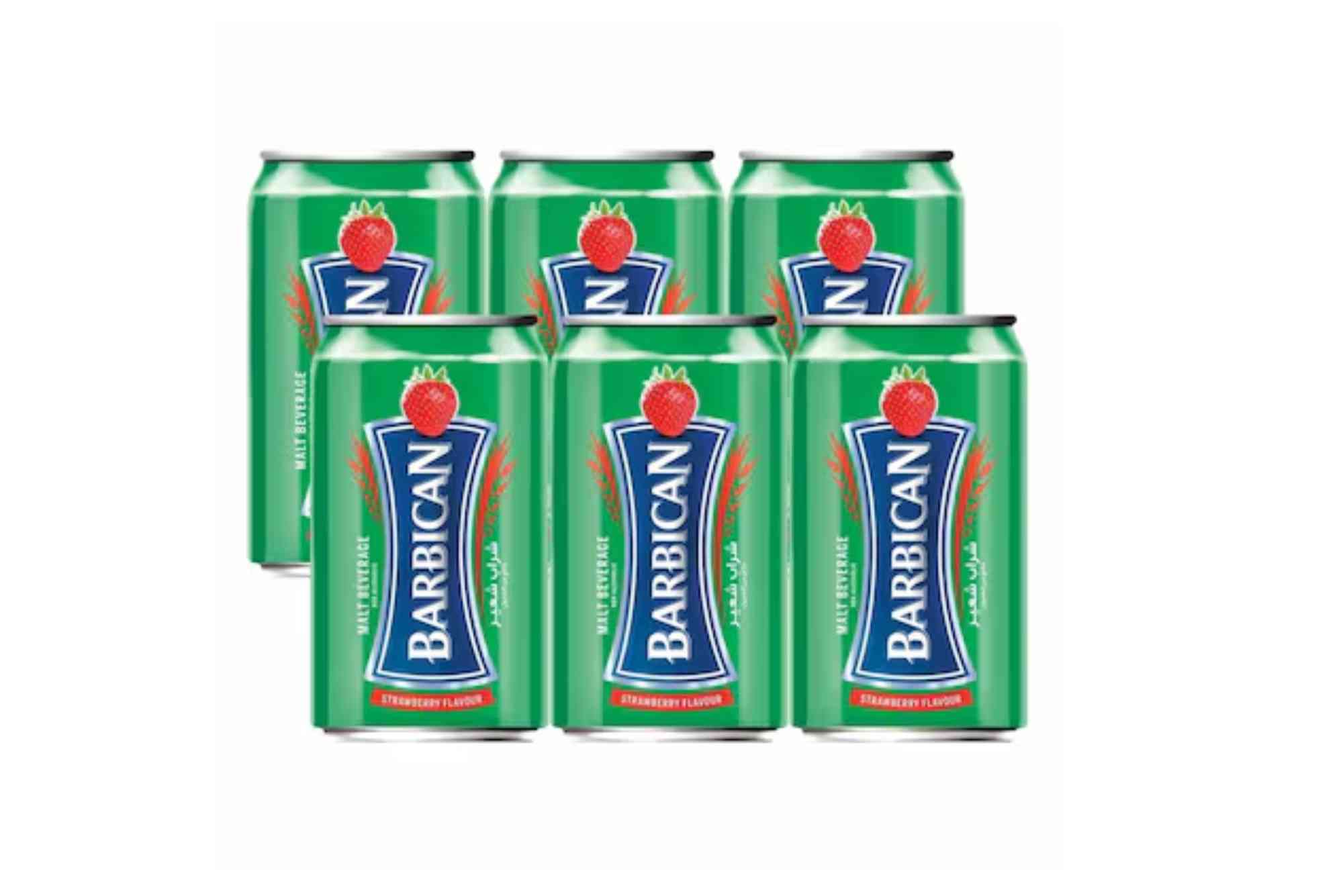
Is Barbican Really Good for Your Health?
Barbican, a popular non-alcoholic malt beverage, has garnered attention in the health and wellness space. Whether you’re sipping it during social events or using it as a refreshing alternative to soda, a question that arises frequently is: is Barbican good for health?
This article will explore the ingredients, health implications, and expert opinions on Barbican. We’ll also address frequently asked questions to help you make informed choices about this drink.
What Is Barbican?
Barbican is a malt-based, non-alcoholic beverage manufactured by Aujan Group Holding. Originally from the Middle East, Barbican is popular in many Muslim-majority countries because it contains no alcohol, making it halal.
It comes in a variety of flavors like apple, raspberry, pomegranate, lemon, and peach. While it’s enjoyed mostly for its taste and fizz, some also believe it offers health benefits due to its malt content.
But the main concern remains: is Barbican good for health when consumed regularly?
Understanding the Ingredients in Barbican
To evaluate if Barbican is healthy, let’s begin by looking at its key ingredients. Typically, a bottle of Barbican contains:

- Carbonated water
- Malted barley
- Sugar or high-fructose corn syrup
- Natural and artificial flavors
- Citric acid
- Preservatives
From a nutritional standpoint, Barbican is non-alcoholic and contains no caffeine. However, it does have added sugars and artificial ingredients, which can be problematic if consumed excessively.
Nutritional Profile of Barbican
A standard 330ml bottle of Barbican contains approximately:
- Calories: 120–150
- Sugar: 24–28 grams
- Carbohydrates: 28–32 grams
- Fat: 0 grams
- Protein: Less than 1 gram
This nutritional breakdown highlights that Barbican is high in sugar and carbohydrates, which are not ideal for people watching their calorie intake or managing conditions like diabetes.
Is Barbican Good for Health in Moderation?
When consumed occasionally, Barbican may not pose significant health risks. It’s a better alternative than sugary sodas or alcoholic drinks in some contexts. The malted barley, a primary ingredient, does contain antioxidants and B vitamins, which can support metabolism and immune function.
But the presence of high sugar levels and preservatives undermines these potential benefits. So, while you might enjoy a bottle now and then without major consequences, drinking Barbican daily could lead to health problems.
Potential Health Benefits of Barbican
Despite its drawbacks, Barbican offers some benefits when consumed in moderation:
Antioxidant Content
Malt beverages contain antioxidants, which can help reduce oxidative stress. This may support heart health and reduce inflammation in the body.
Alcohol-Free Alternative
Barbican is often chosen by those looking for a non-alcoholic social drink. It provides a safer option for individuals who avoid alcohol due to health, religious, or personal reasons.
Hydration with Flavor
Barbican has a refreshing taste and is carbonated, which can make hydration more enjoyable, especially in hot climates.
Still, none of these benefits override the negative effects of excessive sugar consumption, which is a leading cause of obesity, heart disease, and type 2 diabetes.
Health Risks Associated with Regular Barbican Consumption
To understand whether Barbican is good for health, it’s important to weigh the risks.
High Sugar Content
Each bottle of Barbican contains around 6 to 7 teaspoons of sugar. Consuming such sugary drinks regularly can:
- Increase the risk of type 2 diabetes
- Lead to weight gain and obesity
- Damage dental health
- Raise cholesterol and blood pressure
Artificial Flavors and Preservatives
These ingredients may cause allergic reactions or stomach discomfort in sensitive individuals. Over time, their consumption might also affect gut health.
Empty Calories
Barbican provides calories without significant nutritional value. If you’re aiming for a healthy lifestyle or weight management, it’s best to limit beverages that don’t offer essential nutrients.
Is Barbican Safe During Pregnancy?
One of the common queries is whether Barbican is safe for pregnant women. Since it is alcohol-free, many assume it is completely safe. While there is no alcohol to worry about, pregnant women should still be cautious due to its high sugar and preservative content.
Drinking it occasionally is unlikely to harm, but habitual consumption may lead to unwanted weight gain and gestational diabetes. Therefore, moderation is key.
Can Diabetics Drink Barbican?
For people with diabetes or pre-diabetes, Barbican may not be the best choice. Its high glycemic index and sugar content can spike blood sugar levels. If you’re diabetic, consult a healthcare provider before including it in your diet. Sugar-free or reduced-sugar alternatives may be better options.
How Does Barbican Compare with Other Beverages?
When compared to sodas like Coca-Cola or Pepsi, Barbican has a similar calorie and sugar content. It might seem healthier due to the malt, but in terms of sugar and additives, there isn’t much difference. Compared to fresh juices or herbal teas, Barbican falls short on nutritional value.
So, is Barbican good for health compared to other drinks? Only if you’re comparing it to alcohol or sugary sodas. But it’s not healthier than water, infused water, or fresh juices.
Expert Opinions on Barbican
Most nutritionists agree that while Barbican may be safe as an occasional treat, it’s not a health drink. Dr. Ayesha Nasir, a certified dietitian, notes, “Barbican should be viewed as a flavored soft drink rather than a nutritious beverage. Its sugar content makes it unsuitable for daily consumption, especially for children or people with metabolic conditions.”
Can Barbican Be Part of a Healthy Diet?
Yes, but only when consumed occasionally and in small quantities. Pairing it with a balanced meal and ensuring that your overall sugar intake remains within daily recommended limits can help minimize health risks.
For example, enjoying Barbican once a week during a celebration or outing won’t do much harm. Problems arise when it replaces water or healthier drink options in your daily routine.
Is Barbican Good for Health?
So, is Barbican good for health? The answer lies in how often and why you drink it. Barbican is not harmful when consumed occasionally, and it does serve as a good alternative to alcohol in social settings. However, due to its high sugar content and lack of essential nutrients, it should not be considered a health drink.
If you’re aiming for better health, consider hydrating with water, herbal teas, or natural juices more often. Reserve Barbican for special occasions, not as a daily habit.
If you’re trying to maintain a healthier lifestyle, make smart beverage choices. Enjoy Barbican in moderation and always read nutritional labels before making it a routine drink. Want more tips on healthy drinking habits? Subscribe to our newsletter for weekly expert insights.
FAQs
Is Barbican good for health?
No, Barbican is not considered a health drink. It contains high amounts of sugar and additives that can be harmful if consumed regularly.
Can I drink Barbican every day?
It’s not recommended. Drinking Barbican daily can increase sugar intake and raise the risk of metabolic issues like obesity and diabetes.
Is Barbican good for kids?
Only in moderation. Due to its high sugar content, it’s better to limit it for children and avoid giving it frequently.
Does Barbican contain alcohol?
No, Barbican is completely non-alcoholic, which makes it a popular beverage in Muslim-majority countries.
Is Barbican safe during pregnancy?
Occasionally, yes. However, its sugar and preservative content should be considered, especially in pregnancies with gestational diabetes risk.
Is Barbican healthier than soda?
Slightly. It might have fewer artificial ingredients than some sodas, but the high sugar content makes it nutritionally similar.
What is the sugar content in Barbican?
Around 24–28 grams per 330ml bottle, which is equivalent to about 6–7 teaspoons of sugar.
This in-depth guide should help you decide whether or not Barbican fits into your personal health goals. Always prioritize whole foods and natural beverages when planning a balanced diet.