
Introduction
A manufacturing facility is the backbone of modern production systems. It is where raw materials are transformed into finished goods through organized industrial processes. Every manufacturing facility plays a vital role in global supply chains, supporting industries like automotive, electronics, food processing, and textiles.
Today, a manufacturing facility is not just a production space. It is a highly advanced ecosystem powered by automation, data, and precision engineering. Businesses rely on a manufacturing facility to maintain quality, efficiency, and scalability in competitive markets.
Understanding how a manufacturing facility operates helps companies improve productivity and reduce operational costs. It also helps professionals design better systems and workflows that align with global standards.
In this article, we will explore what a manufacturing facility is, how it functions, its key components, benefits, challenges, and future trends shaping the industry.
What is a Manufacturing Facility?
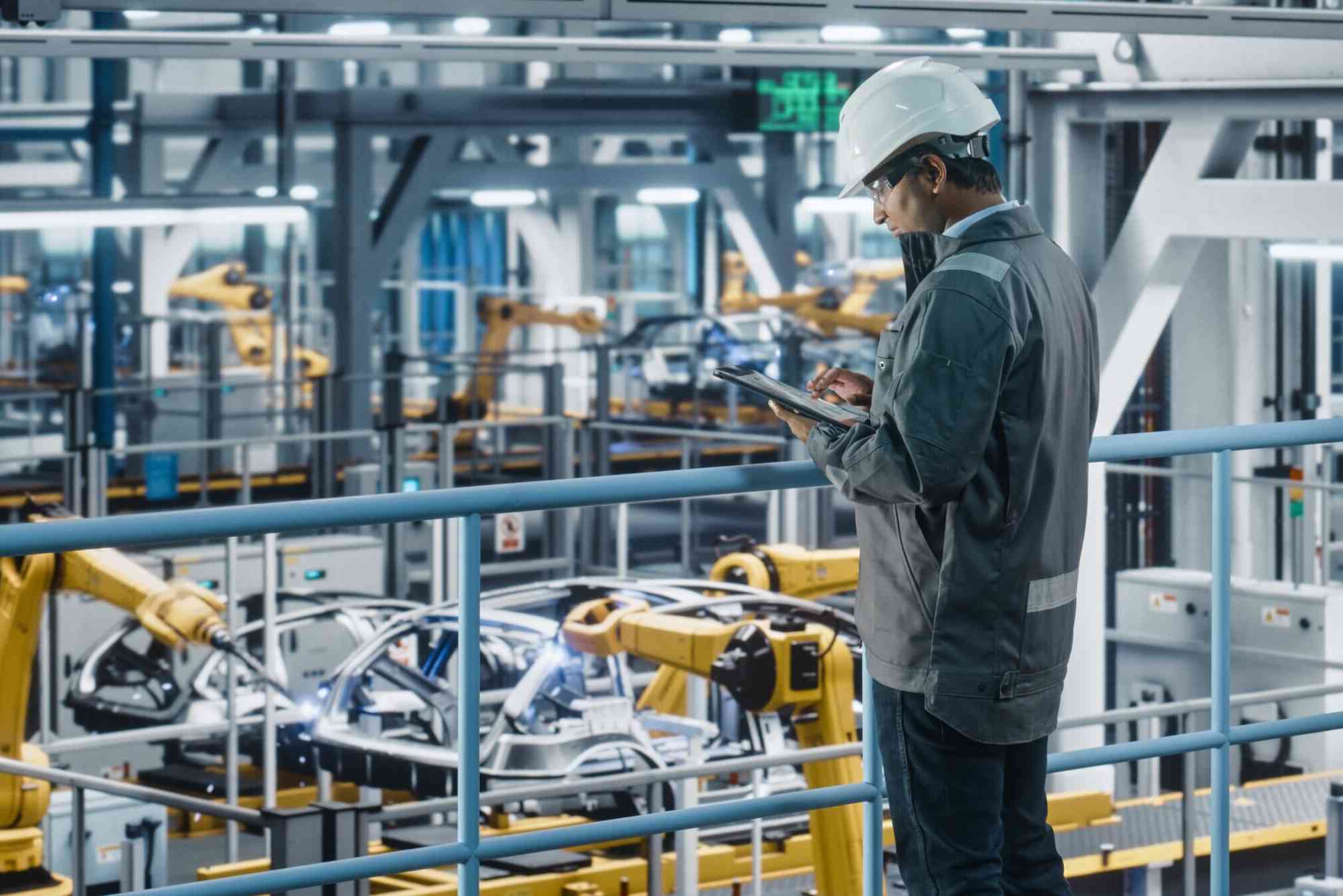
A manufacturing facility is a dedicated industrial space where products are produced on a large scale. It includes machinery, equipment, labor, and systems designed to convert raw materials into finished goods.
A modern manufacturing facility integrates technology, automation, and skilled workforce to ensure smooth operations. Unlike traditional workshops, a manufacturing facility operates under strict quality control and standardized processes.

A manufacturing facility can vary in size and complexity depending on the industry. For example, a small manufacturing facility may produce handmade goods, while a large one may manufacture automobiles or electronics.
The efficiency of a manufacturing facility depends on layout design, production flow, and resource management.
How a Manufacturing Facility Works
A manufacturing facility operates through a structured production cycle. Each stage is designed to ensure accuracy, consistency, and efficiency.
Raw Material Processing
Every manufacturing facility begins with raw materials. These materials are inspected and prepared for production. Proper handling ensures that the final product meets quality standards.
Production and Assembly
Inside a manufacturing facility, machines and workers collaborate to shape and assemble components. Automation is often used to improve speed and precision.
Quality Control
Quality control is essential in every manufacturing facility. Products are tested at different stages to ensure they meet industry standards. This reduces defects and improves customer satisfaction.
Packaging and Distribution
Once production is complete, the manufacturing facility handles packaging and distribution. Products are prepared for shipment and delivered to warehouses or customers.
Key Components of a Manufacturing Facility
A successful manufacturing facility depends on several interconnected components that ensure smooth operations.
Infrastructure and Layout
The layout of a manufacturing facility determines workflow efficiency. A well-designed space reduces movement waste and improves productivity.
Machinery and Equipment
Machines are the core of any manufacturing facility. Advanced equipment allows faster production and higher precision.
Workforce and Skills
A skilled workforce ensures that the manufacturing facility runs effectively. Employees manage machines, monitor processes, and maintain quality.
Technology Integration
Modern manufacturing facility systems use AI, IoT, and robotics. These technologies enhance monitoring and predictive maintenance.
Supply Chain Coordination
A manufacturing facility relies on a strong supply chain. Timely delivery of raw materials ensures uninterrupted production.
Benefits of a Manufacturing Facility
A well-structured manufacturing facility offers multiple advantages to businesses and industries.
One major benefit is cost efficiency. A manufacturing facility reduces production costs through automation and bulk processing.
It also ensures consistent product quality. Standardized systems in a manufacturing facility reduce errors and improve reliability.
Another benefit is scalability. A manufacturing facility can increase production capacity as demand grows.
Additionally, a manufacturing facility improves supply chain speed. Faster production means quicker delivery to markets.
Challenges in a Manufacturing Facility
Despite its benefits, a manufacturing facility faces several challenges.
One common issue is equipment maintenance. Machines in a manufacturing facility require regular servicing to avoid downtime.
Another challenge is workforce training. Employees in a manufacturing facility must continuously upgrade their skills to match new technologies.
Energy consumption is also a concern. A large manufacturing facility often consumes significant electricity and resources.
Finally, supply chain disruptions can affect production flow in a manufacturing facility, leading to delays and losses.
Manufacturing Facility Trends and Innovations
The future of the manufacturing facility is shaped by innovation and digital transformation.
One major trend is automation. Smart machines and robotics are reducing human dependency in many manufacturing facility operations.
Another trend is sustainability. Modern manufacturing facility designs focus on reducing waste and carbon emissions.
Digital twins are also becoming popular. They allow a manufacturing facility to simulate processes before actual production.
Data analytics plays a key role as well. A manufacturing facility now uses real-time data to optimize performance.
Even industries like fashion and jewelry are evolving. According to the 2025 jewelry trend report, production facilities are shifting toward personalized and sustainable manufacturing models. This shows how a manufacturing facility adapts to changing consumer demands.
Table: Types of Manufacturing Facility and Their Characteristics
| Type of Manufacturing Facility | Description | Example Industry |
|---|---|---|
| Discrete Manufacturing Facility | Produces distinct items assembled from parts | Automotive, Electronics |
| Process Manufacturing Facility | Produces goods in bulk using chemical or natural processes | Food, Chemicals |
| Batch Manufacturing Facility | Produces goods in groups or batches | Pharmaceuticals, Bakery |
| Continuous Manufacturing Facility | Operates 24/7 with non-stop production | Oil Refining, Steel |
Importance of Manufacturing Facility in Modern Economy
A manufacturing facility is essential for economic growth. It creates jobs, supports innovation, and strengthens industrial output.
Countries with advanced manufacturing facility networks tend to have stronger economies. This is because a manufacturing facility drives exports and reduces dependency on imports.
Moreover, a manufacturing facility encourages technological development. As industries evolve, they invest in smarter systems and better infrastructure.
Future of Manufacturing Facility
The future of the manufacturing facility is highly digital and automated. Artificial intelligence will play a bigger role in decision-making processes.
Robotics will handle repetitive tasks, while humans will focus on supervision and innovation. This shift will make the manufacturing facility more efficient and safer.
Sustainability will also define future manufacturing facility designs. Energy-efficient systems and eco-friendly materials will become standard practices.
Conclusion
A manufacturing facility is more than just a production unit. It is a complex system that drives industrial success and economic development. From raw material processing to advanced automation, every manufacturing facility plays a critical role in shaping modern industries.
As technology continues to evolve, the manufacturing facility will become smarter, faster, and more sustainable. Businesses that invest in modern systems will stay ahead in competitive markets.
If you are planning to build or upgrade a manufacturing facility, now is the time to adopt advanced technologies and efficient workflows. The future belongs to those who innovate today.
visionuae.ae is a dynamic online platform offering innovative digital solutions and web services in the UAE market. It focuses on helping businesses grow through SEO and marketing strategies with advanced technology tools. With user-friendly services and expert support, visionuae.ae enhances online presence and drives online success for companies across various industries.
FAQ
What is the main purpose of a manufacturing facility?
A manufacturing facility is designed to produce goods efficiently by converting raw materials into finished products using structured processes.
How does a modern manufacturing facility differ from traditional factories?
A modern manufacturing facility uses automation, AI, and digital systems, while traditional factories rely mostly on manual labor.
Why is quality control important in a manufacturing facility?
Quality control ensures that every product from a manufacturing facility meets safety and performance standards, reducing defects.
What industries use manufacturing facilities?
Many industries use a manufacturing facility, including automotive, electronics, food processing, pharmaceuticals, and textiles.
What is the future of manufacturing facility development?
The future of a manufacturing facility includes automation, sustainability, and AI-driven operations for improved efficiency and productivity.
Related Reading: How To Make a Great Resume
Related Reading: Best Startups