Food Safe Hose: What It Is and Why It Matters in the Kitchen
When it comes to kitchen safety and hygiene, every detail matters. Whether you’re running a commercial kitchen or simply passionate about cooking at home, the tools and equipment you use play a huge role in maintaining food quality and health standards. One often overlooked but essential component is the food safe hose. But what exactly is a food safe hose, and why does it matter so much in the kitchen environment? Let’s dive deep into this subject to understand its importance, applications, and how it ensures safety and efficiency.
What Is a Food Safe Hose?
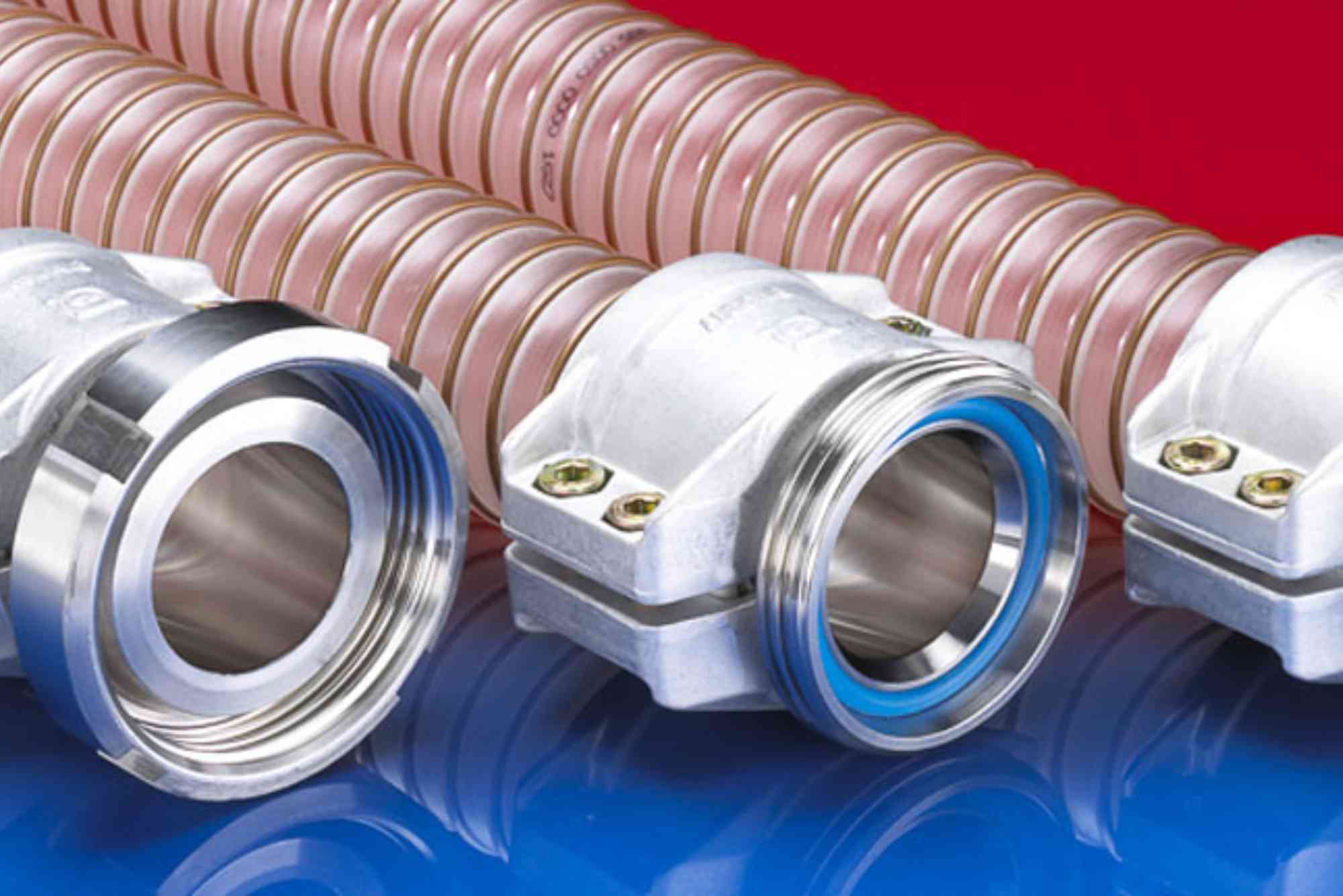
A food safe hose is a specially designed hose made from materials that comply with food safety regulations. These hoses are engineered to transport food-grade liquids, such as water, dairy products, oils, or even beverages, without contaminating the contents. Unlike regular hoses, which might leach harmful chemicals or harbor bacteria, food safe hoses meet stringent standards to ensure the purity and safety of the substances passing through them.
Materials Used in Food Safe Hoses
Food safe hoses are typically made from materials like:
- Food-grade silicone: Flexible, durable, and resistant to high temperatures, silicone hoses are popular in kitchens.
- Thermoplastic elastomers (TPE): These provide excellent chemical resistance and flexibility.
- PVC (polyvinyl chloride) with food-grade certification: Often used for cold liquids, these hoses are designed to prevent chemical migration.
- Rubber with FDA-approved additives: Suitable for certain food applications, ensuring no harmful substances mix with food.
The materials chosen are tested to avoid any interaction with food products, ensuring no transfer of taste, odor, or harmful toxins.
Why Food Safe Hose Matters in the Kitchen
Protecting Food Quality and Safety
Food safety is paramount in any kitchen. A non-food safe hose can easily contaminate food products with chemicals, bacteria, or mold. This contamination can lead to food spoilage, unpleasant odors, or worse—health hazards such as food poisoning.
A food safe hose guarantees that no contaminants leach into the food or liquids passing through it. It maintains the original taste, color, and safety of the product. This is especially crucial when handling dairy products, juices, or water used in cooking and cleaning.

Compliance With Health Regulations
Restaurants, food processing plants, and even home kitchens must adhere to food safety standards set by organizations like the FDA (Food and Drug Administration) or the EU’s food safety authorities. Using a food safe hose helps kitchens comply with these legal requirements.
Non-compliance can result in hefty fines, closure of the business, or damage to reputation. Therefore, investing in the correct hoses is not just about safety but also about maintaining regulatory compliance.
Durability and Performance in Food Handling
Food safe hoses are built to withstand the rigors of kitchen use. They resist cracking, kinking, and degradation caused by heat, cleaning chemicals, and constant use. This durability ensures a long lifespan and consistent performance, reducing downtime and replacement costs.
In commercial kitchens, hoses may transport hot water or steam, or transfer acidic or alkaline liquids. A food safe hose is specifically designed to handle these conditions without breaking down or contaminating the food.
Common Uses of Food Safe Hoses in Kitchens
Water Supply and Dispensing
One of the most common uses of a food safe hose is for water supply lines to sinks, dishwashers, and beverage dispensers. Since water is a critical ingredient in many recipes and cleaning processes, it must remain uncontaminated. Food safe hoses ensure clean and safe water delivery.
Transfer of Food and Beverage Products
In food processing or commercial kitchens, hoses are often used to move liquids like milk, juice, sauces, or oils. Using food safe hoses in these operations prevents contamination and maintains product integrity from storage to preparation.
Cleaning and Sanitation
Cleaning is a vital part of kitchen safety. Food safe hoses are used in high-pressure cleaning systems to wash surfaces and equipment. Their resistance to chemicals and heat allows them to be used safely with cleaning agents without releasing harmful substances.
How to Identify a Food Safe Hose
Knowing whether a hose is truly food safe is critical. Here are some tips:
- Look for certification labels: Hoses should carry certifications such as FDA approval, NSF (National Sanitation Foundation) certification, or EU food safety compliance.
- Check the material: Food safe hoses are made from approved food-grade materials. Avoid hoses made from unknown plastics or rubber.
- Manufacturer information: Reputable manufacturers will provide detailed information on the hose’s safety and intended use.
- Color coding: Sometimes food safe hoses are color-coded or marked with specific labeling for easy identification.
Using a hose without proper certification can risk contamination and legal issues.
Maintenance Tips for Food Safe Hoses
Proper maintenance extends the life of your food safe hose and keeps it hygienic:
- Regular inspection: Check for cracks, discoloration, or odors that may indicate contamination or material breakdown.
- Clean after use: Rinse hoses thoroughly after transporting food liquids, especially if sticky or oily substances are involved.
- Avoid kinks and twists: Store hoses properly to prevent damage that could lead to leaks or contamination.
- Replace as needed: Even the best hoses wear out over time. Replace hoses according to manufacturer guidelines or if you notice damage.
Consistent care ensures that the hose remains safe and efficient.
The Risks of Using Non-Food Safe Hoses
Using a hose not intended for food applications can introduce serious risks:
- Chemical contamination: Non-food safe hoses might release plasticizers, heavy metals, or other toxins.
- Bacterial growth: Poor-quality materials may harbor bacteria or mold, contaminating food.
- Flavor and odor changes: Hoses can impart off-flavors or odors, ruining the taste of food or drinks.
- Legal consequences: Using improper equipment can lead to violations of health codes and fines.
In short, the dangers far outweigh any cost savings from using cheaper hoses.
Choosing the Right Food Safe Hose for Your Kitchen
When selecting a food safe hose, consider:
- Application: What liquids will you transfer? Hot or cold? Acidic or alkaline? This affects material choice.
- Size and length: Make sure the hose dimensions fit your kitchen setup.
- Flexibility: Choose hoses that bend easily if needed without damage.
- Temperature range: Ensure the hose can handle the temperatures it will encounter.
- Certifications: Confirm compliance with all relevant food safety standards.
Consulting with suppliers or kitchen equipment experts can help you make the best choice.
Why You Should Invest in a Food Safe Hose Today
A food safe hose is not just an accessory but a necessity in any kitchen aiming for the highest standards of hygiene, safety, and compliance. It protects your food from contamination, ensures your kitchen meets legal requirements, and helps maintain your equipment’s performance and longevity.
Whether you’re running a large-scale food operation or simply want to keep your home kitchen safe, investing in a high-quality food safe hose is a smart decision. It’s a small investment with big returns in food safety and peace of mind. Ready to upgrade your kitchen safety? Choose a certified food safe hose and protect what matters most—your food and your health.
FAQ
What is a food safe hose used for?
It is used to transport food-grade liquids safely without contamination, including water, milk, oils, and juices.
How do I know if a hose is food safe?
Look for FDA or NSF certification, check material composition, and confirm manufacturer claims.
Can I use a regular hose for food or water in the kitchen?
No, regular hoses can leach harmful chemicals and harbor bacteria, risking food safety.
Are food safe hoses reusable?
Yes, but they require proper cleaning and maintenance to prevent contamination.
What materials are best for food safe hoses?
Food-grade silicone, TPE, and FDA-approved PVC are common and safe materials.