Food Wars Manga Ending Explained – What You May Have Missed
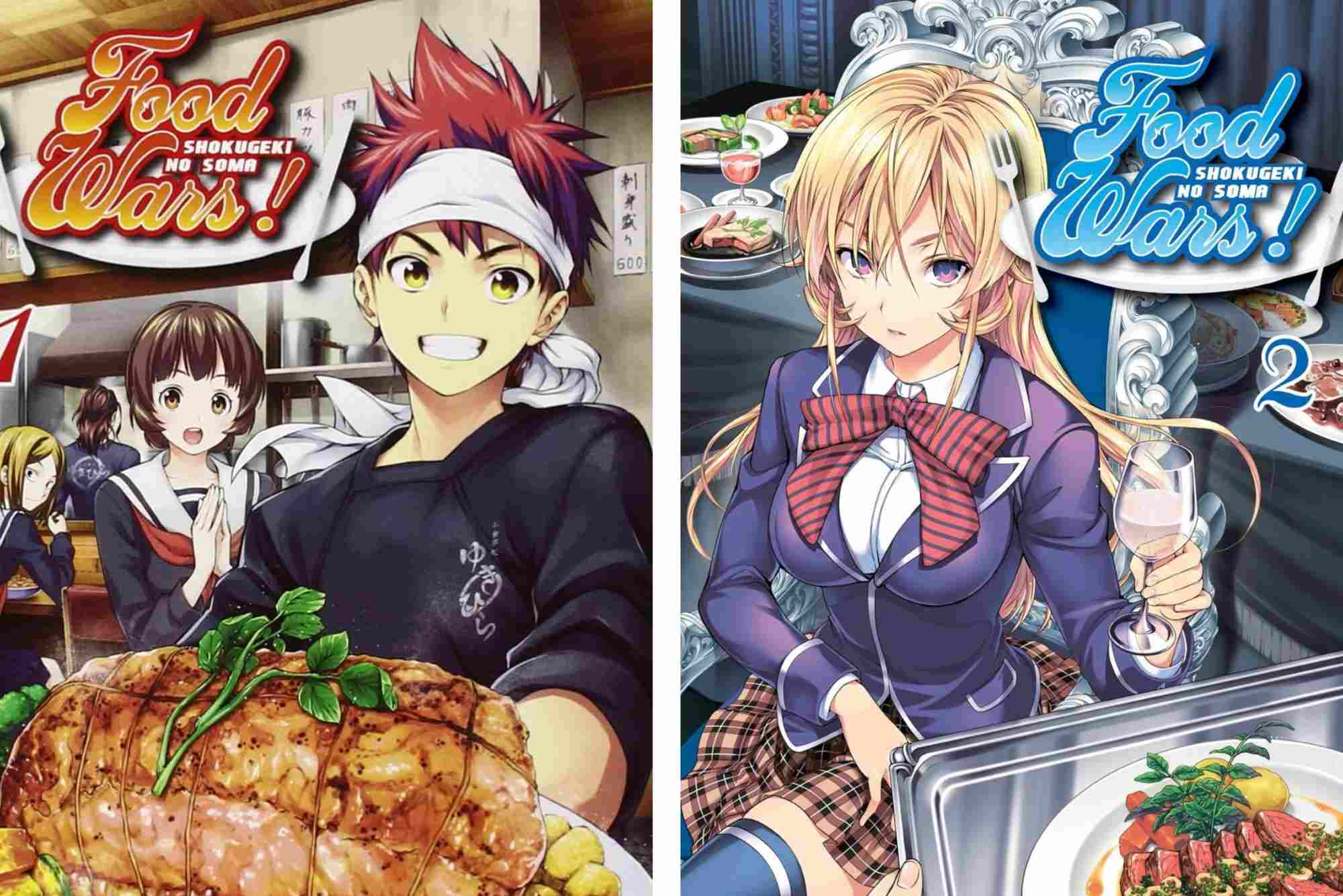
The Food Wars manga ending sparked mixed reactions across the anime and manga community. Some fans celebrated the conclusion, while others were left confused or unsatisfied. Why did it end the way it did? Was there a deeper meaning behind Soma’s final journey? In this in-depth exploration, we’ll walk you through the ending of Shokugeki no Soma—the events, themes, and fan interpretations that clarify what you might have missed.
The Final Chapters – A Quick Recap
The manga concluded with Chapter 315, following the BLUE (Bishoku Leading Under-35 Entrance) competition arc. While the final arc introduced new characters and a strange culinary tournament structure, its primary purpose was to highlight Soma Yukihira’s final growth phase as a chef.
He enters BLUE not just to win but to push himself to new heights. Despite facing elite chefs and bizarre challenges, Soma stays true to his creative, down-to-earth cooking style. The outcome? Soma loses to Asahi Saiba, but his journey doesn’t end there. Instead, this defeat serves as a turning point for a deeper transformation.
Soma’s Growth: More Than Just Cooking Skills
Soma’s character has always stood out—not for being perfect, but for being persistently passionate. The Food Wars manga ending emphasizes this through subtle emotional shifts.
Soma begins as a cocky, fun-loving cook. But after meeting culinary prodigies like Erina, Takumi, and his father Joichiro’s old rivals, he evolves. BLUE forces Soma to face the pressure of legacy—especially his father’s shadow.
In the final scenes, we learn that Soma has been struggling with the idea of surpassing his father. His drive comes not from ambition alone, but from an internal need for acknowledgment and identity. This emotional layer adds unexpected depth to his character arc, something many fans overlook.

Erina’s Role in the Conclusion
One major aspect that left fans craving more clarity was the lack of a proper romantic resolution. Erina Nakiri, the God Tongue and central heroine, plays a key role in the final arc. But does she ever confess her feelings to Soma?
Not explicitly. However, the manga hints at emotional closure through body language, expressions, and subtle exchanges. Erina finally acknowledges Soma’s talent and accepts his unique approach to cooking. While fans hoped for a kiss or confession, the creators chose a more nuanced portrayal—focusing on mutual respect and emotional intimacy.
It’s symbolic that Erina, once bound by rigid culinary standards, opens her heart to creativity through Soma. Their dynamic shifts from rivalry to emotional partnership.
The Final Dish – What It Meant
In the last chapter, Soma presents a dish to Erina—a dish that echoes his growth and symbolizes his cooking philosophy. It’s simple, heartfelt, and nostalgic. It brings Erina to tears, not just for its flavor but for what it represents: freedom, warmth, and love.
This dish ties back to the manga’s earliest themes—cooking as an expression of self, not just skill. It reminds readers that Food Wars was never about elite techniques alone, but about emotional connections made through food.
Unpacking the Ending’s Themes
Beyond characters and plot, the Food Wars manga ending is rich with thematic closure.
Legacy and Self-Discovery
Soma’s struggle isn’t just with other chefs, but with his own place in the world. As the son of Joichiro Saiba, he constantly questions whether he can create a path of his own. The ending confirms: yes, he can—but not by copying others. By embracing his individuality, Soma steps out of his father’s shadow.
Freedom in Creativity
Many characters begin their journey trapped—by expectations, traditions, or fear of failure. Erina is bound by her God Tongue, Soma by legacy, Asahi by obsession. The conclusion breaks these chains. Everyone finds new freedom, expressing themselves authentically.
Love, Without Saying “I Love You”
The unspoken bond between Soma and Erina is a major point of discussion. Instead of romance being overt, it’s layered into their emotional evolution. Their relationship matures from opposition to respect, and then to mutual support. The lack of explicit confession left some fans unsatisfied, but others see it as a realistic portrayal of two strong-willed individuals learning to open up.
What Fans May Have Missed
The final arc introduced some confusing elements—particularly the villainous Les Cuisiniers Noirs and Asahi Saiba’s convoluted backstory. Many readers found this sudden tonal shift jarring. But the purpose of this arc wasn’t traditional antagonism—it was contrast.
Asahi’s obsession with skill fusion and elitism directly opposes Soma’s open, heart-based cooking. His loss isn’t just a plot resolution—it’s a philosophical defeat.
Another detail many miss is the growth of side characters. Takumi, Megumi, and Alice all find space to grow, though briefly. The ending wasn’t just about Soma—it was a quiet farewell to an entire generation of chefs.
Controversy Around the Conclusion
Despite its rich symbolism, the Food Wars manga ending wasn’t universally praised. Fans cited the rushed pacing, underdeveloped villains, and lack of romantic resolution as major issues.
But context matters. The creators may have been pressured to wrap up the story quickly due to declining sales or editorial decisions. As such, the ending compresses multiple arcs into a short span—leaving some threads unresolved.
Still, within those limits, the ending preserves its core themes: passion, resilience, and the healing power of food.
What Could Have Made the Ending Better?
If we’re honest, a few changes could have elevated the finale. More time spent on Soma and Erina’s relationship could have offered better emotional payoff. Giving side characters like Megumi and Takumi proper epilogues would have added more closure.
Additionally, a slower buildup to the BLUE arc’s climax could have deepened Asahi’s character and made his defeat more meaningful.
But even with these shortcomings, the manga manages to deliver a heartfelt farewell. It returns to where it all began—simple food, served with love.
Final Thoughts – The Emotional Aftertaste
The Food Wars manga ending might not have been perfect, but it was deeply personal. It stayed true to its message: cooking is about more than technique—it’s about heart, growth, and the people you share it with.
As readers, we got to witness Soma’s journey from a rebellious diner chef to a world-class culinary artist. We watched characters grow, break boundaries, and heal.
If you’re re-reading the series, look beyond the flashy food battles. Pay attention to the quiet moments, the subtle looks, and the dishes that told stories. That’s where the real ending lives.
FAQs – Food Wars Manga Ending
Was Soma in love with Erina?
While never explicitly stated, the manga strongly suggests Soma has feelings for Erina. His constant presence, support, and emotional gestures imply affection beyond friendship.
Why did Erina cry at Soma’s final dish?
She cried because the dish symbolized Soma’s heart and his growth. It moved her emotionally and helped her understand his journey, both as a chef and as a person.
Who won the BLUE tournament in Food Wars?
Asahi Saiba technically won against Soma, but Erina ultimately defeats him, symbolizing both a culinary and emotional victory.
Why didn’t Soma and Erina kiss or confess?
The manga opted for a subtle emotional resolution rather than overt romance. Their connection was shown through mutual respect and deep understanding, not dramatic confession.
Is there a sequel to Food Wars?
As of now, there’s no official sequel. However, special epilogue chapters and fan events have offered glimpses into the characters’ futures.