Introduction
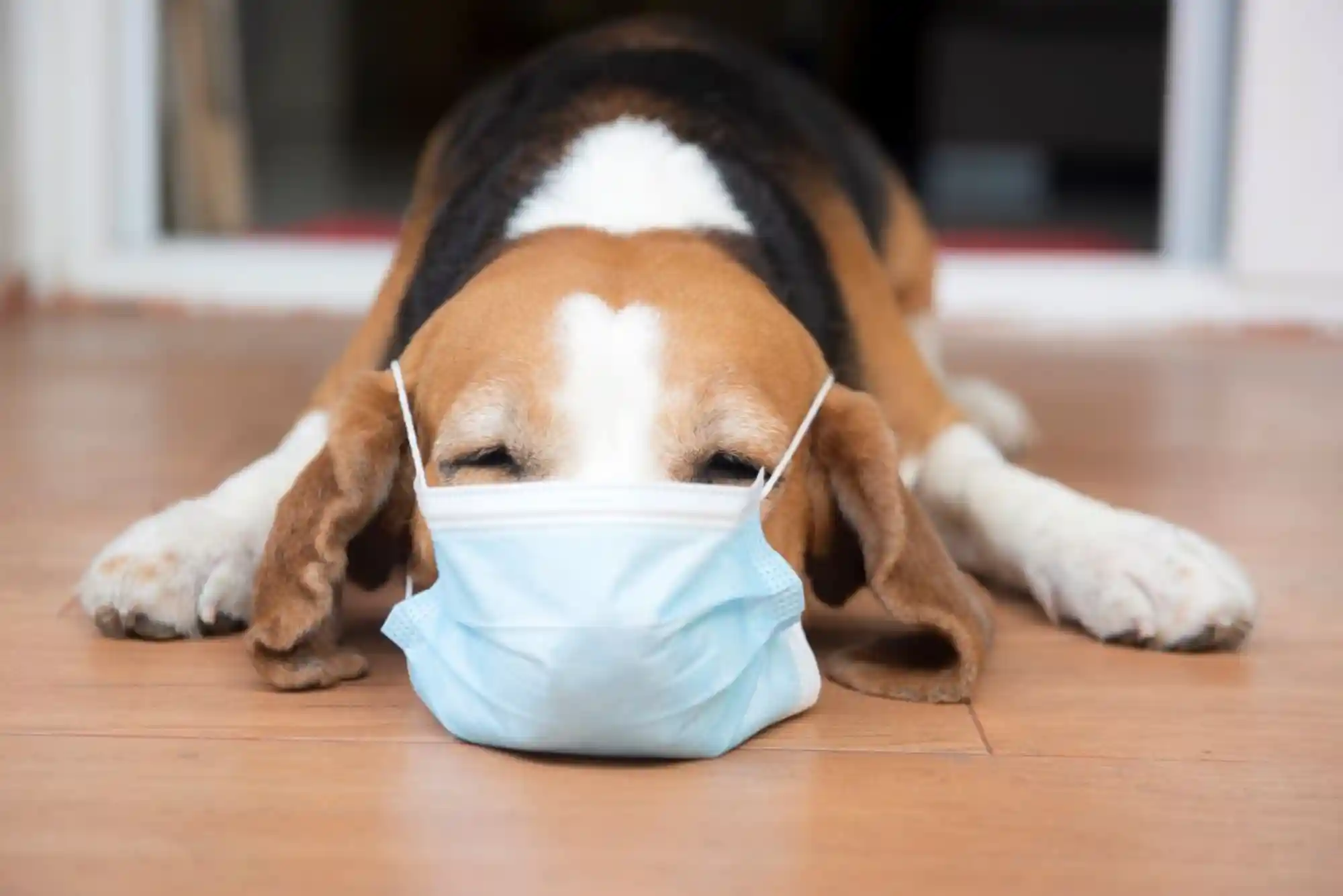
Sandstorms are a common weather phenomenon in the United Arab Emirates. Severe dust events known as Shamal winds carry fine particulate matter across the region. These storms create hazardous air quality conditions that pose serious health risks to household animals. Pet owners must understand how to protect pets during UAE sandstorms respiratory care guide strategies to keep dogs, cats, and small animals safe from airborne irritants. Fine sand particles penetrate deep into the lungs of animals and cause acute respiratory distress. Being proactive during dust storms saves your pet from chronic respiratory illness.
The unique environment of the Gulf region presents specific challenges for pet care. Microscopic dust particles known as PM2.5 and PM10 linger in the air long after the main storm clears. When pets inhale these microscopic pollutants, they experience airway inflammation and reduced lung capacity. Dog breeds with flat faces like Bulldogs and Pugs are particularly vulnerable to poor air quality. Cats with pre-existing conditions like feline asthma can suffer life-threatening attacks during heavy dust events. This comprehensive guide outlines practical steps to protect your pets before, during, and after a major sandstorm in the UAE.
Understanding the Impact of UAE Dust Storms on Pet Health
Sandstorms transport high concentrations of mineral dust, pollutants, and microscopic allergens across the UAE landscape. When these particles mix with ambient humidity, they create toxic atmospheric conditions for domestic pets. Inhaling dust irritates the delicate mucous membranes lining a pet’s nasal passages, throat, and lungs. Over time, exposure leads to chronic conditions like bronchitis, rhinitis, and pulmonary inflammation.
Brachycephalic breeds suffer the most severe consequences during sandstorms due to their compressed upper airways. French Bulldogs, Shih Tzus, and Persian cats already struggle with restricted airflow under normal conditions. Inhaling airborne dust worsens their natural breathing limitations rapidly. Senior pets and young puppies or kittens also face heightened risks due to weaker immune systems.
Preparing Your Home for Air Quality Emergencies
Creating a safe indoor sanctuary is the most vital line of defense during a severe UAE dust storm. Dust enters homes through minor gaps around doors, windows, and ventilation vents. Sealing these access points keeps harmful airborne particles out of your living space. Weather-stripping doors and keeping windows tightly closed prevents sand accumulation on indoor surfaces.
Installing high-efficiency particulate air filters inside your home significantly improves indoor air quality. HEPA purifiers trap microscopic particles as small as 0.3 microns, removing dust, pollen, and pet dander from the air. Place air purifiers in rooms where your pets spend most of their time, such as the living room or sleeping areas. Setting your AC system to recirculate indoor air rather than pulling in outdoor air helps keep indoor spaces free from fresh dust contamination.

Indoor Walking and Exercise Alternatives During Sandstorms
Daily physical exercise is crucial for a dog’s physical and mental well-being, but outdoor walks during sandstorms carry high risks. Shorten outdoor bathroom breaks to just a few minutes when dust alerts are active. Never force your dog to run, play, or exercise outside while sand and dust hover in the air. High physical exertion increases breathing rates, causing pets to inhale greater quantities of microscopic pollutants deep into their lungs.
Indoor play activities provide necessary physical movement without exposing your pet to outdoor air pollution. Play games like hide-and-seek with treats or toys inside your hallway or living room. Interactive puzzle toys engage your dog’s brain and expend excess energy safely indoors. Obstacle courses built from couch cushions keep high-energy breeds active without compromising their respiratory health.
Essential Grooming and Post-Storm Care Procedures
Dust particles cling to your pet’s fur, paws, and face during brief outdoor trips during a sandstorm. When pets groom themselves, they ingest harmful dust particles, leading to gastrointestinal upset. Wipe your pet’s paws, coat, and face with a damp cloth immediately after they enter the house. This simple wiping routine removes trapped dust before it causes irritation or gets swallowed.
Bathe your pet using a gentle, hydrating pet shampoo after major dust storms pass. Bathing washes away lingering sand particles embedded deep within the undercoat. Use sterile saline solution recommended by your veterinarian to flush out dust from your pet’s eyes gently. Regular grooming during storm season protects your pet from discomfort and secondary infections caused by grit accumulation.
Recognizing Symptoms of Respiratory Distress in Pets
Pet owners must remain vigilant for subtle signs of respiratory distress during and after sandstorms. Early detection of breathing issues allows for prompt medical intervention before complications arise. Common early symptoms include frequent sneezing, coughing, dry heaving, and clear nasal discharge. Pets may also exhibit watery eyes and frequent rubbing of the face against furniture.
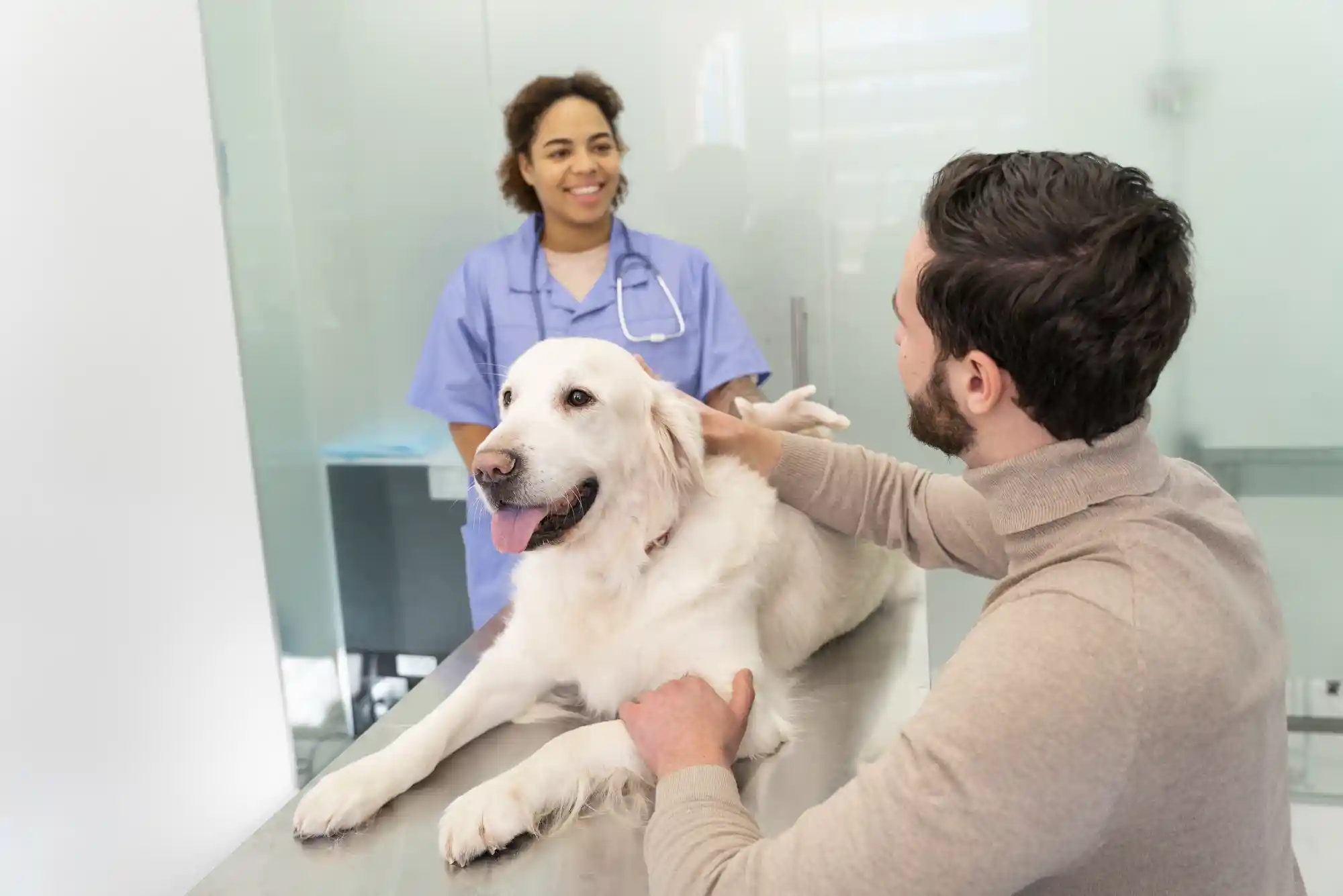
Severe symptoms require immediate emergency veterinary attention to prevent respiratory failure. Watch closely for rapid or labored breathing, open-mouth breathing in cats, blue or pale gums, and extreme lethargy. Wheezing or high-pitched whistling sounds while breathing indicate narrow or inflamed airways. If your pet shows any of these alarming signs, transport them to an emergency veterinary clinic right away.
Protecting Birds and Small Pets from Fine Sand Particles
Small animals like birds, hamsters, rabbits, and guinea pigs possess extremely sensitive respiratory tracts. Dust particles affect small pets far more rapidly than larger dogs or cats. Keep small animal cages away from windows, exterior doors, and direct air currents during sandstorms. Cover bird cages with lightweight, breathable cotton sheets to add an extra barrier against floating dust. Avoid using dusty bedding materials inside small animal enclosures during sandstorm season. Opt for paper-based, low-dust bedding that does not release additional airborne particles into your pet’s environment. Ensure small pets have access to fresh water at all times to keep their mucous membranes moist. Adding humidifiers near small pet enclosures maintains optimal indoor humidity levels around 40 to 50 percent, soothing irritated airways naturally.
Emergency Preparedness and Pet First-Aid Strategies
Building a dedicated pet emergency kit ensures you are ready for severe weather events in the UAE. Pack essential items such as a one-week supply of pet food, bottled water, prescription medications, and grooming wipes. Include a pet first-aid kit containing sterile saline solution, gauze, non-stick bandages, and a soft towel. Keep all veterinary medical records and emergency contact numbers inside a waterproof folder.
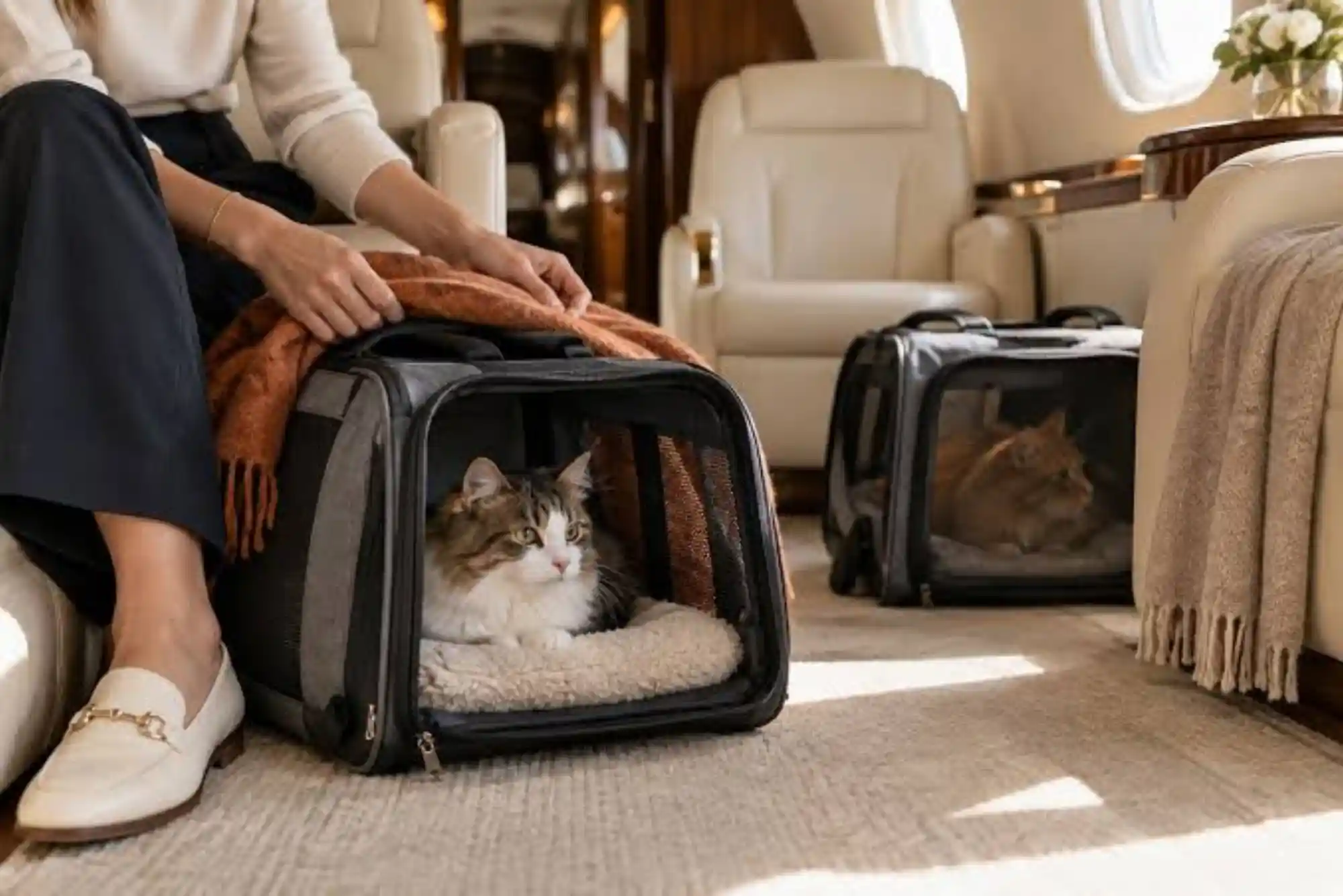
Establish a clear emergency transportation plan in case your pet requires urgent care during a sandstorm. Identify nearby 24-hour veterinary clinics that offer specialized respiratory support and oxygen therapy. Store pet carriers near your main exit for fast evacuation if power outages occur during severe weather. Being fully prepared minimizes stress and delays when medical emergencies arise.
Frequently Asked Questions
Can sandstorms cause permanent lung damage in dogs and cats?
Prolonged exposure to fine particulate matter during sandstorms can lead to chronic airway inflammation, asthma, and irreversible lung tissue damage. Keeping pets indoors and using air purifiers minimizes long-term health risks effectively.
What should I do if my cat starts open-mouth breathing during a sandstorm?
Open-mouth breathing in cats is always a medical emergency that indicates severe respiratory distress. Move your cat into a cool, dust-free room with an air purifier and contact an emergency veterinarian immediately.
Are short walks safe for dogs during moderate UAE sandstorms?
Short outdoor potty breaks lasting under five minutes are generally safe for healthy dogs during moderate storms. Avoid exercise or long walks until air quality index levels improve significantly.
How do I know if the air quality inside my home is safe for my pet?
You can monitor indoor air quality using smart air quality monitors that measure PM2.5 levels. Maintaining low indoor particle counts ensures your pet breathes clean, safe air throughout storm events.